
Is IPTV Legal in the UK? An Honest Answer
The technology is legal; some of what is sold with it is not. A clear explanation of UK law, the risks for viewers, how to spot a legitimate service, and where we stand.
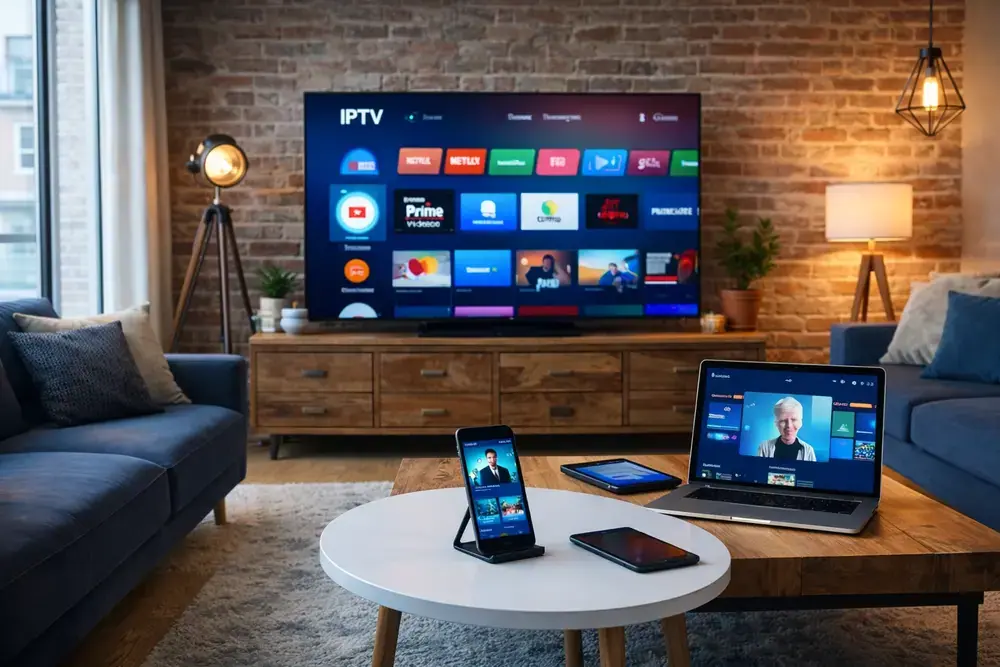
Is IPTV legal in the UK? It is one of the first questions people ask us, and it deserves a straight answer rather than a sales pitch. The short version: IPTV as a technology is completely legal. Whether a particular service is legal depends on whether it has permission to show the content it offers. And that difference matters to viewers as well as sellers.
This article isn’t legal advice. It is a plain-English summary of how the law works, so you can make an informed decision. If you need advice about your own situation, speak to a solicitor.
Is IPTV legal in the UK? The technology vs the content
IPTV simply means television delivered over the internet. Broadcasters and major pay-TV companies use it every day; many of the apps on your Smart TV are IPTV in all but name. Selling devices, apps or subscriptions is not illegal in itself.
What makes a service illegal is the content. Channels, films and live events are protected by copyright, and the companies that own the rights sell licences to show them. A service that streams that content without a licence is infringing copyright, however professional its website looks.
What UK law says about whether IPTV is legal in the UK
- Copyright, Designs and Patents Act 1988. The main UK copyright law. Communicating copyright works to the public without permission is an infringement.
- Digital Economy Act 2017. Raised the maximum prison sentence for online copyright infringement on a commercial scale to ten years, bringing it into line with physical piracy.
- Court blocking orders. Rights holders regularly obtain High Court orders requiring UK broadband providers to block servers that stream their content without permission.
The government’s Intellectual Property Office publishes guidance on copyright and runs campaigns about illegal streaming.
What about viewers?
Most prosecutions have targeted people who sell or distribute unlicensed streams. But viewers aren’t automatically in the clear. In 2017 the Court of Justice of the European Union ruled in the Filmspeler case that watching a stream from a source you know is unlicensed isn’t covered by the “temporary copy” exception in copyright law. UK courts have followed similar reasoning. In practice, the risk to an individual viewer is low compared with sellers, but it isn’t zero, and anti-piracy organisations have sent warning letters to subscribers of services that were shut down.

Illegal IPTV: the practical risks for viewers
Leaving the law aside for a moment, there are practical downsides to unlicensed services that are worth knowing about:
- They can disappear overnight. If a service is shut down or blocked, you usually lose whatever you paid for.
- Security risks. “Fully loaded” boxes and apps from unknown websites can contain malware. Only install players from official app stores or developers’ own sites.
- Payment risks. Be wary of anyone who asks you to send card details in a message or pay by untraceable methods.
- No guaranteed quality. Streams can be blocked during popular live events, exactly when you want to watch.
How to tell whether an IPTV service is legitimate
Ask these questions of any provider, including us:
- Does it say it holds licences for the content? Legitimate services are usually happy to say so. Be sceptical of vague wording.
- Is the price realistic? Premium sport and film rights cost broadcasters billions. A service offering everything for a few pounds a month is unlikely to be licensed.
- Who is the company? Look for a registered business name, address and clear terms.
- How does it take payment? Mainstream payment methods and clear receipts are a good sign.
Where we stand
We believe in being straight with you, because “is IPTV legal in the UK?” deserves an honest answer from sellers too. We are not licensed by, affiliated with or endorsed by any broadcaster, sports league or channel, and we don’t claim to be. Our terms make clear that customers are responsible for using the service lawfully where they live. If you want the certainty of fully licensed content, the official services below are the way to go, and we would rather you chose knowingly than found out later.
Legal ways to watch TV over the internet in the UK
- Broadcaster apps: the catch-up and live apps from the UK’s public service broadcasters, included with a TV Licence where required.
- Freeview Play and Freesat: free live channels plus on-demand, with no monthly bill. See IPTV vs Freeview.
- Pay-TV streaming: the major providers’ own apps and streaming boxes, on a subscription.
- On-demand subscriptions: the big film and series streaming services.
Don’t forget the TV Licence
Whatever you use, UK law requires a TV Licence to watch or record live TV as it is broadcast, on any channel and any device, and to use BBC iPlayer. TV Licensing explains the rules. In Ireland, a separate TV licence applies to television sets.
Why the price of a service matters
One of the most useful clues is simple arithmetic. Broadcasters pay very large sums for the rights to show live sport, new films and premium series, and they recover that money through subscriptions and advertising. When a service offers everything for a fraction of the official price, it is fair to ask how it can afford the rights.
That doesn’t mean every low-cost service is unlicensed; some carry only free-to-air or niche channels, or have licensing deals for particular regions. But it is a reason to ask questions before you buy, and to be wary of any seller who won’t answer them.
What happens when an unlicensed service is shut down?
When rights holders or the police act against an unlicensed provider, the usual pattern is that streams stop working without warning, the website disappears and customers lose the rest of their subscription. In some cases, customer lists have been seized and subscribers have received letters. There is no route to a refund when the seller has vanished.
What about Ireland and Malta?
The principles are the same across Europe. Ireland’s Copyright and Related Rights Act 2000 and Malta’s copyright law both protect broadcasts and films, and EU case law such as Filmspeler applies to both countries. Irish and Maltese broadband providers can also be ordered to block infringing servers.
Summary
So, is IPTV legal in the UK? The technology is. Selling devices and player apps is. Streaming channels and films without the rights holder’s permission is not, and viewers who knowingly watch unlicensed streams are not entirely outside the law either. Judge any service by what it says about licences, how realistic its prices are and how transparent the business is, and make an informed choice.
If you have questions about our service, ask us on WhatsApp before you order, and read our Terms & Conditions and Refund Policy. For a general introduction, see what is IPTV.
Frequently asked questions
Is it illegal to own a Firestick or Android box?
No. The devices are legal and sold by mainstream retailers. What matters is the content you watch on them.
Is using a VPN with IPTV legal?
Using a VPN is legal in the UK. It doesn’t make watching unlicensed content legal.
Can I get in trouble for using IPTV?
For legitimate, licensed services, no. For unlicensed services, the main legal risk sits with sellers, but viewers can face civil claims or warning letters, and the Filmspeler ruling means watching isn’t automatically lawful.
Is IPTV legal UK-wide, including Scotland and Northern Ireland?
Copyright law applies across the whole of the UK, so the same principles apply everywhere.
Keep reading

What Is IPTV? A Plain-English Guide for UK Beginners
IPTV explained without the jargon: how internet TV works, what you need, what it costs, the difference between apps and subscriptions, and the questions to ask before you pay anyone.
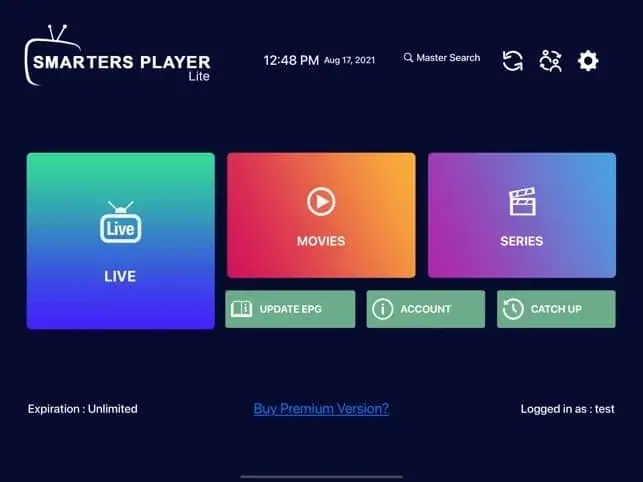
IPTV Smarters Pro Setup: Step-by-Step on Every Device
How to install IPTV Smarters Pro on Firestick, Android, Smart TV and iPhone, log in with Xtream Codes or M3U, load the TV guide and fix the errors people hit most.
What Is an M3U Playlist? A Simple Guide for IPTV Users
What an M3U playlist is, what is inside one, how to load it in VLC, IPTV Smarters or TiviMate, how to add a TV guide, and how it compares with Xtream Codes.

Not sure which plan? Ask us first
Tell us your device and your broadband speed and we will tell you honestly what to expect from cheap IPTV UK streaming before you pay a penny.